The global phenomenon of K-Pop owes much to the intricate dance of international logistics, with idol groups like the sensational TWICE constantly traversing continents to connect with their millions of ONCEs. From sold-out arenas in North America to electrifying performances across Asia and Europe, the success of a TWICE world tour travel hinges not just on their talent and charisma, but also on the often-unseen complexities of modern air travel. Recent developments in aviation, ranging from stringent airport security reviews to new flight connectivity and the persistent challenge of delays, underscore the dynamic environment K-Pop stars and their management teams navigate daily.
For groups as prominent as TWICE, every flight, every airport, and every minute counts. Their rigorous schedules demand peak efficiency and uncompromised safety, transforming global airports into critical junctions for their artistic and commercial endeavors. This deep dive explores how the sprawling infrastructure and evolving operations of international airports directly impact the ambitious TWICE world tour travel plans, ensuring the magic of K-Pop can reach every corner of the globe.
Navigating Global Hubs: The Scale of TWICE’s Journeys and Airport Security Concerns
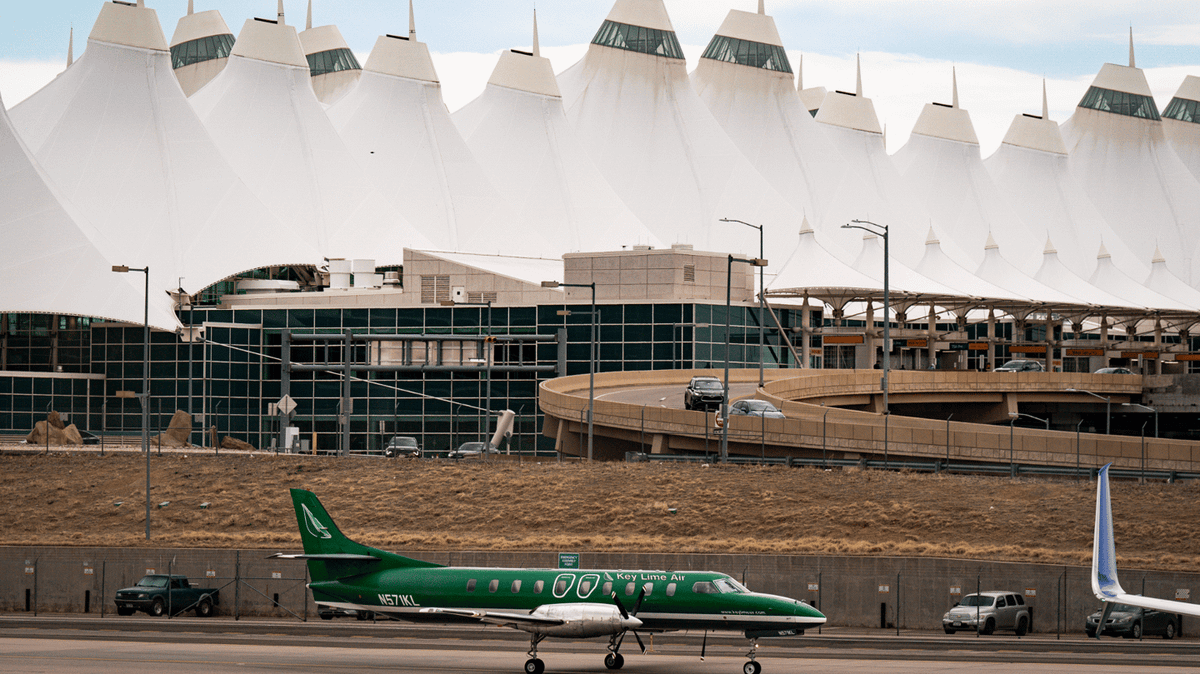
K-Pop idols frequently pass through some of the world’s largest and busiest airports, often under intense public scrutiny. The sheer scale of these facilities presents unique challenges, particularly concerning security. Take, for instance, Denver International Airport (DEN), an aviation behemoth that operates on an astonishing 53 square miles of land – more than twice the size of Manhattan. Such a vast expanse, protected by 36 miles of perimeter fence, demands an equally robust security apparatus.
A recent, tragic incident at DEN, where a person breached the perimeter and was fatally struck by an aircraft, highlights the critical need for continuous security vigilance. While such events are rare, they serve as a stark reminder of the potential vulnerabilities within even the most sophisticated airport systems. For touring groups like TWICE, whose presence attracts significant attention, any security lapse at a major transit hub can have profound implications, not only for their safety but also for their tightly choreographed schedules and the logistical flow of their entire production.
Security protocols at major airports are constantly being reviewed and enhanced, a process vital for ensuring the protection of all travelers, including high-profile artists. The logistical challenge of securing an airport larger than cities like Boston or San Francisco is immense, yet it’s precisely these secure environments that enable TWICE and other K-Pop acts to move confidently and safely between their global destinations. Agencies like JYP Entertainment meticulously plan routes, often working with airport authorities and private security firms to ensure seamless and secure transitions for their artists, minimizing risks at every touchpoint.
Enhancing Connectivity: Bridging Gaps for TWICE’s International Reach
The expansion of direct flight routes is a game-changer for the global entertainment industry, significantly impacting the efficiency of TWICE world tour travel. Previously, navigating between certain regions involved frustratingly long layovers and multi-stop itineraries, a phenomenon dubbed “Transit Fatigue.” However, the trend towards “Caribbean Connectivity Renaissance” exemplified by Liat Air’s new nonstop service between Antigua and Guadeloupe (linking English and French-speaking Caribbean hubs) showcases a broader aviation movement that directly benefits global touring acts.
While the Caribbean route itself might not be a direct staple for TWICE, the principle of enhanced regional connectivity is paramount. For a group whose itinerary might span multiple continents and diverse cultural markets, the availability of direct flights means:
- Reduced Travel Time: Cutting down hours spent in transit allows for more rest and reduces the physical toll of constant travel on the members.
- Streamlined Logistics: Fewer stops simplify baggage handling, customs procedures, and ground transportation arrangements.
- Expanded Tour Horizons: Direct links to secondary cities or previously hard-to-reach markets open up new possibilities for concert venues and fan engagements, broadening TWICE’s global footprint.
- Greater Flexibility: Easier access to various hubs provides more options for last-minute schedule changes or emergency travel.
This “hub-and-spoke efficiency” is crucial for managing the complex logistical demands of an international K-Pop tour. It allows JYP Entertainment to optimize tour routing, minimize downtime, and ensure that TWICE arrives at each destination refreshed and ready to perform, maximizing their impact and interaction with ONCEs worldwide.
The Unpredictable Skies: Mitigating Delays for TWICE’s Packed Schedule
Despite meticulous planning and improved connectivity, the reality of global air travel includes the ever-present threat of delays and cancellations. Reports from major European hubs like London Gatwick (LGW) detailing multiple disruptions on any given day serve as a constant reminder of this challenge. For a K-Pop group like TWICE on a tightly packed world tour, even minor delays can cascade into significant problems, affecting not just concert times but also crucial promotional events, fan meet-and-greets, and media appearances.
A missed connecting flight due to an initial delay can lead to rescheduling an entire leg of a tour, costing millions in lost revenue, logistical nightmares, and, most importantly, disappointing dedicated fans. Tour management teams, therefore, must be masters of contingency planning. This involves:
- Building Buffer Times: Incorporating extra time between flights and events to absorb potential delays.
- Having Backup Options: Identifying alternative flights, airports, or even modes of transport in critical situations.
- Real-time Monitoring: Constantly tracking weather patterns, air traffic control advisories, and airport operational statuses.
- Dedicated Travel Staff: Employing specialized teams to manage ground logistics, re-booking, and crisis communication.
The resilience of K-Pop idols, combined with the strategic foresight of their agencies, is continually tested by the unpredictable nature of air travel. Ensuring TWICE can consistently meet their commitments, despite the vagaries of the skies, is a testament to the sophisticated operational strategies at play behind every dazzling performance.
From the colossal perimeters of major international airports to the strategic rollout of new flight paths and the constant battle against travel disruptions, the world of aviation is inextricably linked to the soaring success of K-Pop. For groups like TWICE, whose global appeal necessitates constant movement, the efficiency, security, and reliability of air travel are not merely conveniences but fundamental pillars of their global touring empire. As K-Pop continues its expansion, the evolving landscape of airport infrastructure and airline services will remain a critical factor in shaping the future of TWICE world tour travel and the ability of idols to reach and inspire ONCEs across every continent. The intricate ballet of planes, people, and plans behind the scenes ensures that the show, quite literally, goes on.
Reported by Seoul Wire | Seoul, South Korea 🇰🇷
Delivering the fastest K-Culture news to the world.