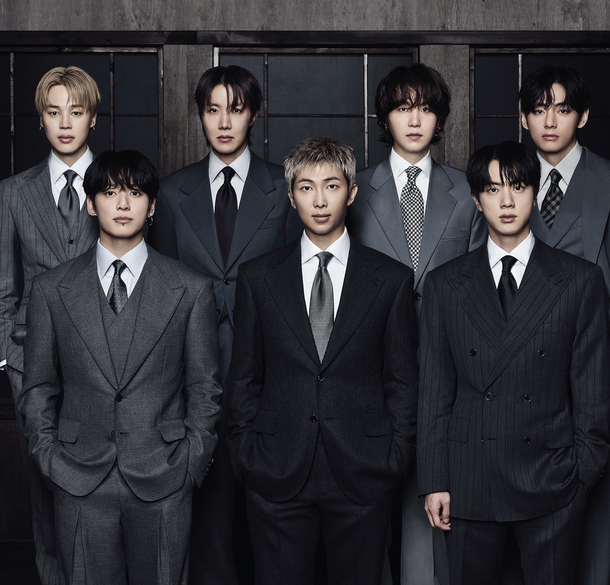
As global superstars BTS geared up for their highly anticipated ‘Comeback Live: Arirang’ scheduled for August 21st at Seoul’s iconic Gwanghwamun Square, the event sparked a fervent public debate. What began as an exciting prospect for many K-pop enthusiasts quickly evolved into a complex discussion surrounding urban planning, public resources, and the delicate balance between cultural promotion and citizen convenience.
The controversy gained significant traction following remarks from esteemed music critic Jung Min-jae. Initially viewing the event as an intriguing cultural endeavor, Jung soon expressed reservations via social media, questioning the suitability of Gwanghwamun Square for such a large-scale gathering. He underscored the square’s inherent challenges: its already high traffic volume, substantial pedestrian flow, and the comparatively limited physical space, all of which pose considerable hurdles for effective crowd control.
Jung Min-jae highlighted the inevitable disruption to daily life, noting that measures such as temporary subway station bypasses and restrictions on commercial facilities would be unavoidable. He posed a crucial question regarding precedent: ‘If a comeback performance of this magnitude, capable of temporarily paralyzing urban functions, is permissible, what criteria will the Seoul Metropolitan Government use to approve or deny similar requests from other artists or agencies in the future?’ He argued that the planning should have prioritized minimizing public inconvenience, rather than presenting it as a take-it-or-leave-it situation for citizens.
Public sentiment online mirrored this division. Reports detailing planned logistical adjustments — including an eight-hour subway bypass, the deployment of 4,800 police personnel, and the temporary closure of surrounding businesses — amplified concerns. Many netizens voiced strong objections, questioning the allocation of significant public funds and law enforcement resources to an event by a private entity. Criticisms ranged from ‘tax waste’ to assertions that the inconvenience would be disproportionately borne by ordinary citizens, with some asking if a private concert warranted such extensive government intervention.
Conversely, a substantial segment of the public defended the event, emphasizing its potential benefits. Proponents argued that large-scale events inherently necessitate extensive traffic management and security measures. They highlighted the invaluable opportunity to promote Seoul on a global stage, predicting substantial economic ripple effects in tourism and consumer spending, especially if the performance were broadcast internationally. Some also drew parallels to instances where artists or private companies have participated in national events, suggesting that the city’s support for BTS’s concert likely stemmed from well-considered reasons.
As the ‘BTS Comeback Live: Arirang’ approached, the discourse surrounding it underscored the intricate relationship between a city’s cultural ambitions, the demands of global entertainment, and the imperative to serve its residents. The debate served as a critical examination of how mega-events are conceptualized and executed in bustling urban centers, setting a potential benchmark for future public-private collaborations in the realm of K-pop and beyond.
Reported by Seoul Wire | Seoul, South Korea 🇰🇷
Delivering the fastest K-Culture news to the world.